
Maternelle · Early Childhood
The first three years of a trilingual life.
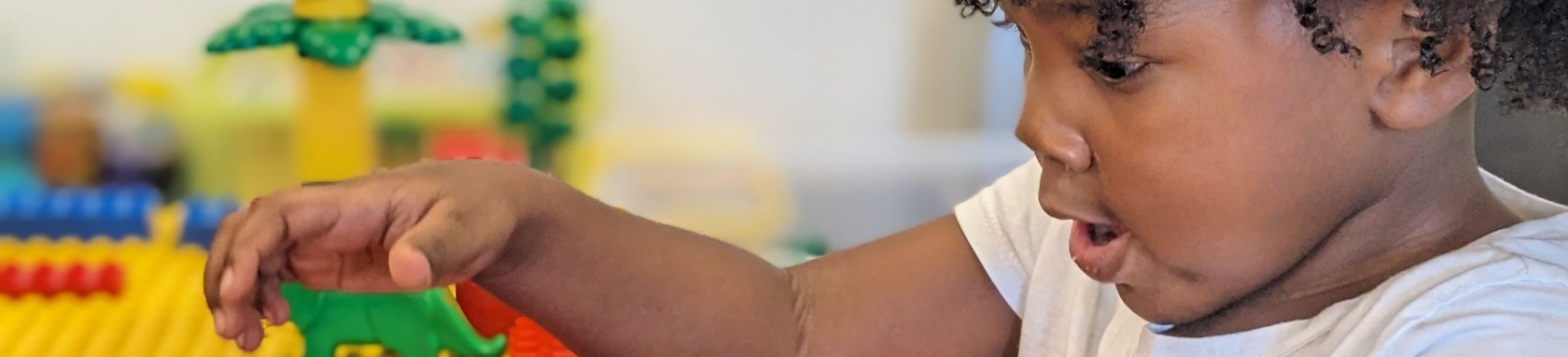
Our Early Childhood program capitalizes on the opportunity for the acquisition of new languages at the level of native fluency. Our child-centered program is differentiated and highly kinesthetic allowing children to develop their natural talents and curiosities in a language rich environment.
Through guided activities in all three languages, children develop fine and gross motor coordination in space, as well as sensory, emotional, cognitive, and relational skills. Vocabulary, syntax, and the rhythm of languages are built through daily verbal interactions in the classroom, in the context of physical activities and through stories, dance, and song.
Our Approach
Gently unfolding trilingual education with a world view.
Maternelle is a kind and caring environment. Its principle objective is to foster in children a desire to attend school in order to learn, assert themselves, and allow their personalities to blossom.
Learning in Maternelle is based on a single fundamental principle: all students are capable of learning and growing.
By having confidence in the capacities of each child, Maternelle encourages children to have confidence in their own ability to act and think, as well as their ability to learn and succeed in school and beyond.
Defining characteristics of Maternelle:
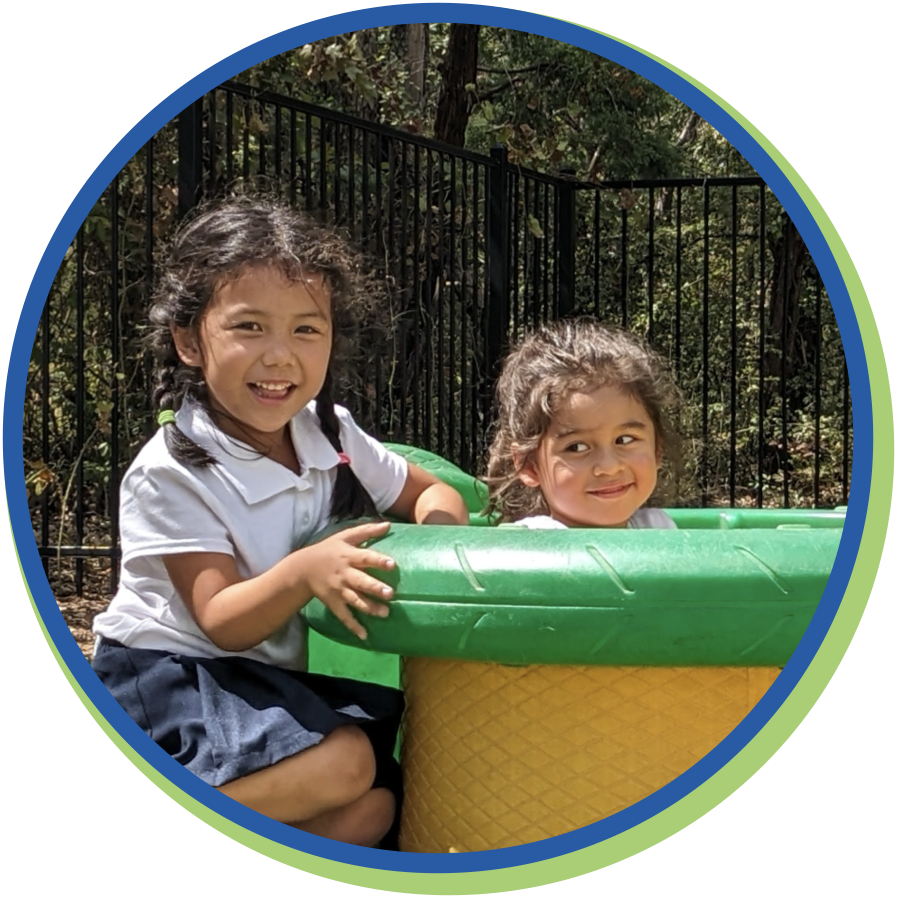
A school that adapts to young children
- A school that welcomes children and their parents
- A school that supports the transitions that children go through
- A school that takes children's individual development into account
- A school that conducts positive assessment
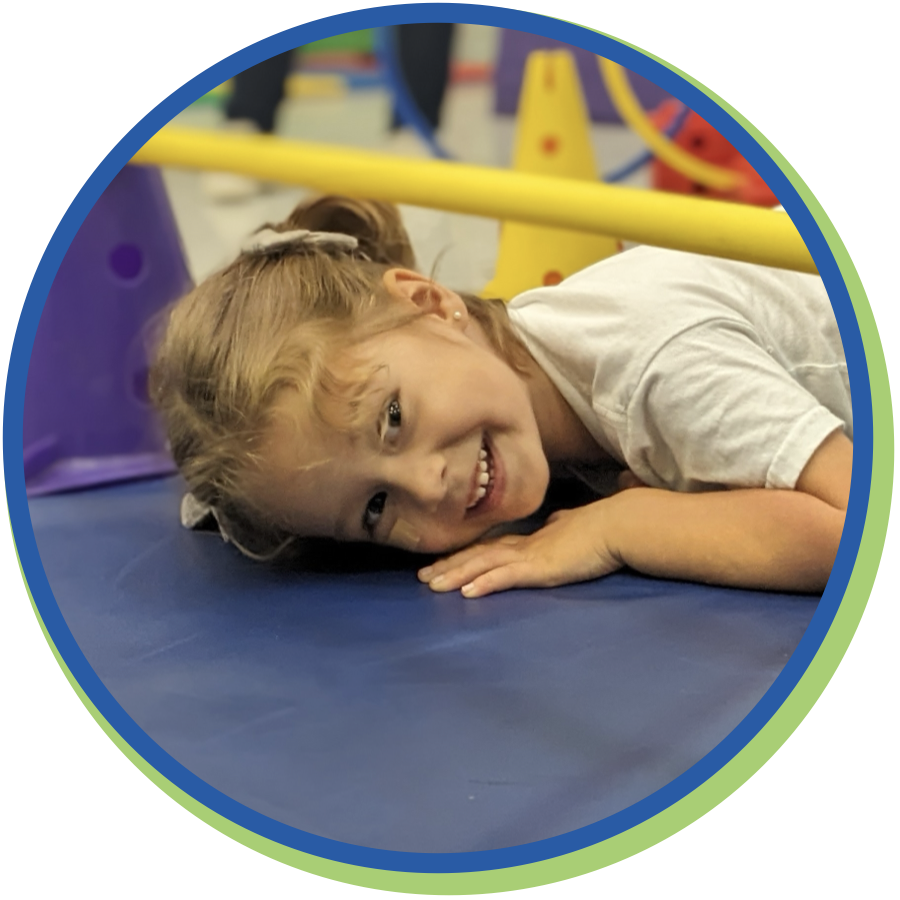
A school that organizes specific learning methods
- Learning while playing
- Learning while thinking and resolving problems
- Learning while exercising
- Learning while remembering and memorizing
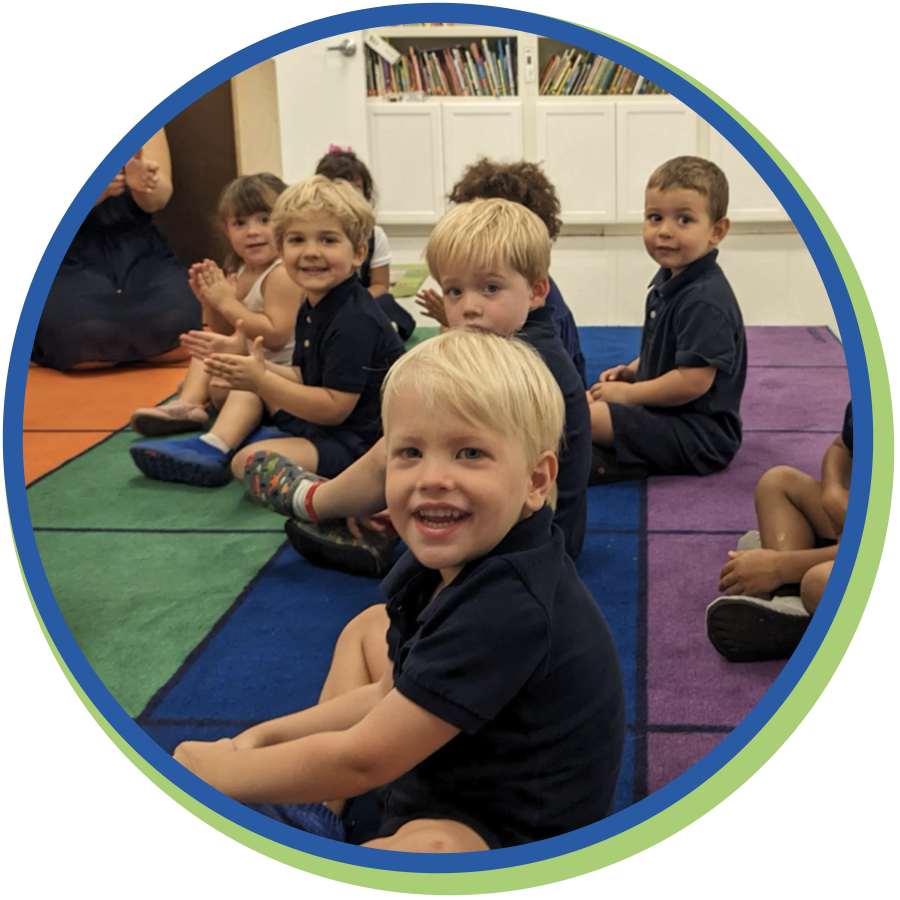
A school where children will learn together and live together
- Understanding the purpose of school
- Developing one's individuality while in a group setting
Foundational Skills
What children can already do when they start.
Every child arrives at their own pace. These are the foundational skills we look for before a child begins each Maternelle year — shown in their primary language, with minimal to no adult guidance. Choose a year below to see what that looks like.
Prior to starting PS, with minimal to no adult guidance and in their primary language, the child can accurately…
About themselves
- Provide first name, last name, and age when asked.
- Say the names of most parts of the body.
Language & talking
- Name most basic colors and common items in children's books from pictures.
- Explain how to use items around the school and home.
- Repeat sentences of eight syllables or less.
- Use prepositions (in, on, around, etc.) and irregular plural nouns (children, men, feet, teeth, etc.).
Numbers & thinking
- Identify quantities of objects up to five.
- Build a tower of 10 or fewer blocks.
Drawing & hands
- Use a pencil, crayon or marker to draw lines, circles, and basic symbols.
Moving & balance
- Stand on one foot for five seconds and walk heel-to-toe for four steps.
Prior to starting MS, with minimal to no adult guidance and in their primary language, the child can accurately…
About themselves
- Provide first name, last name, age, and street address when asked.
- Say the names of most parts of the body.
Language & talking
- Name ten basic colors and common items in children's books from pictures.
- Participate effectively in a 1–2 minute conversation using three-word sentences.
Numbers & thinking
- Identify same and different within patterns containing two types of images (ex. circles and squares).
- Identify quantities of objects up to eight.
- Count to 10 without mistakes.
Drawing & hands
- Use a pencil, crayon or marker to draw simple shapes and letters including x and t.
Moving & balance
- Hop on one foot for six times each, stand on one foot for 10 seconds without arms, and walk heel-to-toe for five steps.
Prior to starting GS, with minimal to no adult guidance and in their primary language, the child can accurately…
About themselves
- Provide first name, last name, age, birthday (month and day), home telephone number, and street address when asked.
- Say the names of all common parts of the body.
Letters & books
- Name ten basic colors and common items in children's books from pictures.
- Recite the full alphabet five letters at a time.
- Read uppercase letters and/or lowercase letters.
- Navigate a book, front to back, page to page, tracking but not reading text.
Numbers & thinking
- Sort objects by size and color.
- Identify same and different within patterns containing two types of images (ex. circles and squares).
- Identify quantities of objects up to eight.
- Count to 30 without mistakes, ten numbers at a time.
- Match quantities to numerals up to eight.
- Add groups of dots for a sum up to 10.
Drawing & hands
- Use a pencil, crayon or marker to draw all basic shapes, including diamonds and triangles; the letters including the letters of their first and last name, and x and t.
Moving & balance
- Stand on one foot for 10 seconds (each foot), stand on one foot for one second with eyes closed (each foot), walk heel-to-toe for four steps.
Entering CP (1st Grade)
A student wishing to enter CP should have mastered all of the foundational skills for GS. Absent these skills, a student is not likely to be a successful fit for CP.
These skills come from the Brigance Early Childhood Screen III Assessment. This is a developmental assessment used to identify the foundational developmental skills aligned with success for pre-school to kindergarten aged children.
AIS Grade Levels
French names, American grades.
At AIS, grade levels follow the naming convention of the French National Education system and are divided into four academic cycles.
Maternelle You are here
Early Childhood
PK3Petite Section (PS)
PK4Moyenne Section (MS)
KinderGrande Section (GS)
Élémentaire
Elementary School
1stCours Préparatoire (CP)
2ndCours Élémentaire 1 (CE1)
3rdCours Élémentaire 2 (CE2)
4thCours Moyen 1 (CM1)
5thCours Moyen 2 (CM2)
Collège
Middle School
6thSixième (6e)
7thCinquième (5e)
8thQuatrième (4e)
Ready to see Maternelle for yourself?
Come and watch a trilingual classroom of three-year-olds at work.